Showing posts with label Comet. Show all posts

Sunday, April 22, 2012

The '63 Comet Moves Under Its Own Power! And Kinda Stops Too

Turn that frown upside down, dear readers, I'm back.  Apologies for the dearth of blog content these past coupla weeks. I think the kitchen cabinet redo, my increasing responsibilities at work, and the general ramp up of activity around the house during a beautiful spring have all helped to slow me down a bit on the blogging.  I promise to make it up to ya, starting right now!


The big news is, I believe I can finally say I have the 1963 Comet Stationwagon project car ON THE ROAD!!

Last fall I replaced the column-mounted automatic shifter handle, and to do that I had to remove the turn signal wiring harness.
New shifter handle where it needs to go

So a couple weeks ago I finally crawled under the dash and hooked up all the wires again and I got the shifter working pretty well.  I also replaced the old gas tank and sending unit last fall and installed a new fuel pump, but the car still wouldn't run right.

Shiny new fuel sending unit mounted in the new gas tank

I tore down the carburetor again and I STILL couldn't get the car to run.

So I finally gave up trying to make the old carburetor work and bought a new/rebuilt duplicate.  It took a bit of searching online but I finally located a one-barrel carb with a manual choke.  I hooked it up one night this week and within a few minutes I had the engine purring like an old cat (steady, with some minor wheezing).  But, while it's been sitting the car developed a slight leak in the brake system.  So yea, it's always something with old cars, just like old houses.  You have to sigh, count to ten, and tackle the problem either directly or after a cooling off period.
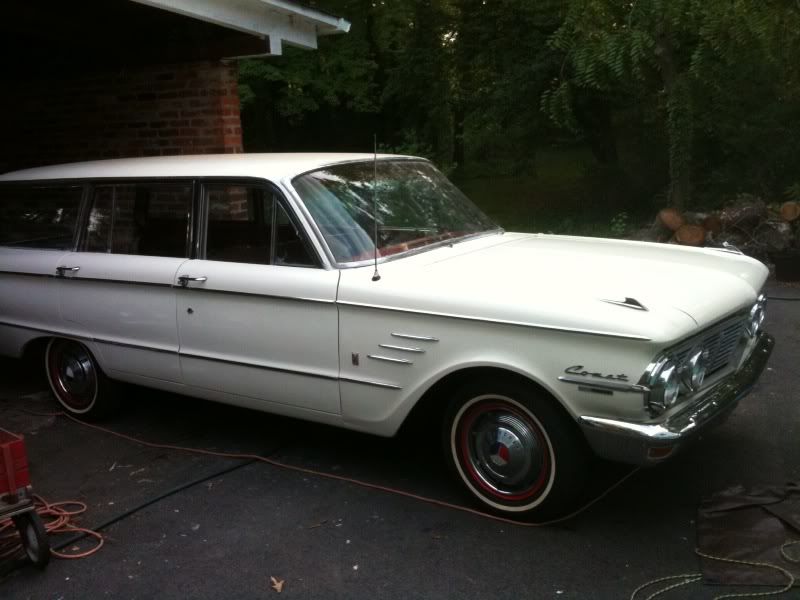

So here's the punchlist of stuff still to do on the Comet before I venture very far from the Uncle Atom hacienda:

  • Do some local test drives to make sure the car is road worthy (I have suspicions about the old radiator and the old generator - near-future plans call for replacing the generator with a more "modern" alternator to keep the battery charged and powering luxury items like windshield wipers, headlights, and turn signals.  The radiator I will continue to use until it fails me.)
  • Touch up the rolled-on paint job to fix some blemishes that have accumulated over two winters
  • Figure out what I'm going to do to install newly reupholstered seats and door panels

Friday I plan to take a mental health day and go to the Spring Carlisle auto flea market with some friends, and Saturday I'm planning to go to the Sledfest in Duncannon, Pa., again.  I'm guessing the Sledfest will be bigger and better than the first one last year.  Hopefully we'll see some great vintage cars, pinups, and most hopefully I'll score some goodies from the Old Sled Factory Antique Mall in Duncannon, Pa.

Saturday, June 18, 2011

Gas tanks should not have crunchies inside

Before you embark on restoring an old car, you really should have some knowledge of what kind of sources there are for replacement parts.  I've learned a lot over the past 20 years about old Fords and Mercurys from the 1960s, so that makes some of the work on my 1963 Mercury Comet station wagon a little easier.


I know, for example, that you cannot assume that a replacement gas tank for a sedan will fit a wagon.  Usually it won't, and that is the case for this car.  Luckily, you can now buy a replacement gas tank for a Comet or Ford Falcon wagon, and the same tank also will fit a Falcon Ranchero, the car/pickup truck combo.  The only problem is, you can only get this replacement tank from one guy who sells on that auction site.  About a month ago I finally pulled the trigger and bought a tank because I was pretty certain the tank on the Comet is original and is rusty on the inside.  Rust, unfortunately, does not improve the performance of an engine.

Anyway, the tank didn't show up, and it turns out UPS lost it.  And, it was the last one the seller had from his current stock.  And, the manufacturer has been slow to fill his restock order.  So I'm patiently, I mean REALLY patiently, waiting.

Today I figured I should go ahead and remove the old tank and see what I had.  If a hard-to-find gas tank is not completely rusted through, you can sometimes find a radiator repair shop that will clean your tank and reline the inside and make it like new.  The price is comparable to what I'm paying for my ghost tank, which is about twice what a replacement sedan tank costs.

Anyway, I've pulled gas tanks from several old Cougars and from my old 1969 Colony Park wagon, so I was familiar with what to do, what not to do, how to do it safely, and what to expect.  The Comet tank came out very easily, and just as I figured, the inside had some old gas and a hearty portion of crunchy rust particles.  I think it is restoreable if I never see my replacement tank that I am PATIENTLY waiting for.

I won't bore you with all the steps in getting the tank out, but here are a few photos.


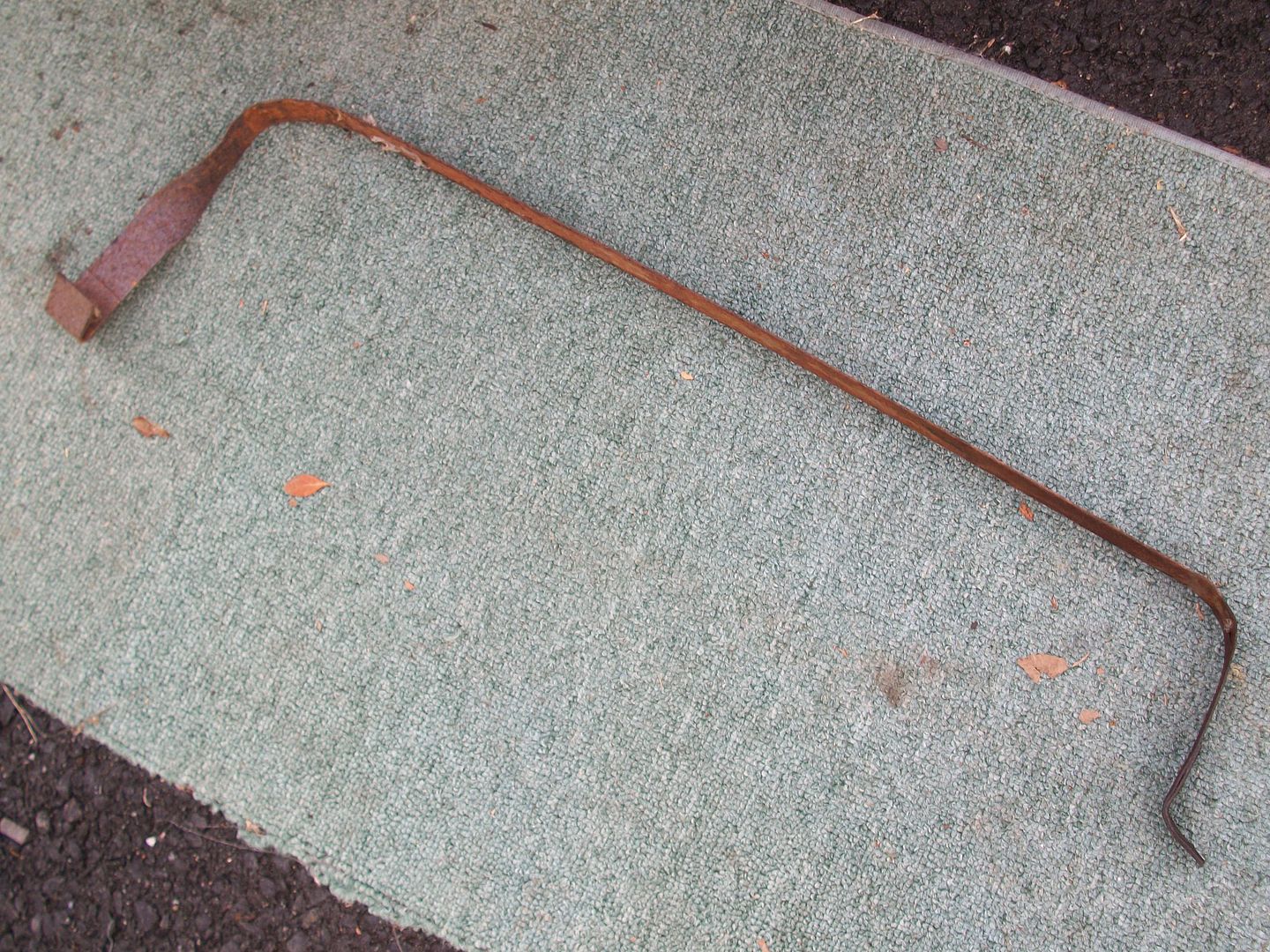
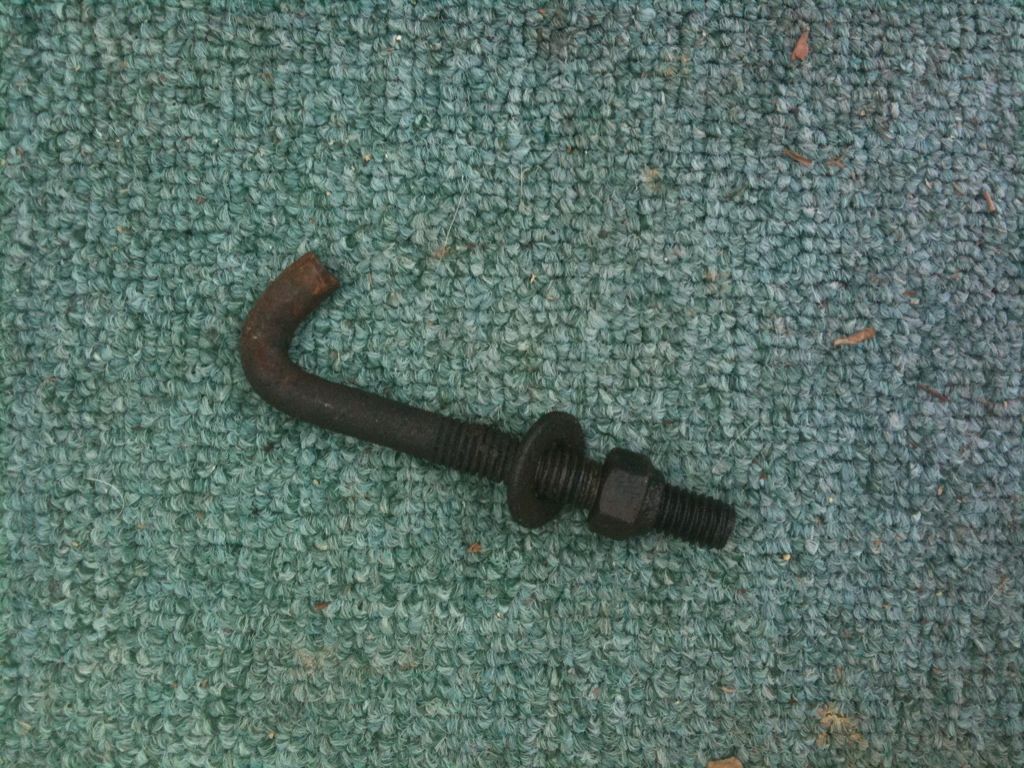
The tank is held in place by two of these thin metal straps, and two J-shaped bolts connect the straps to the frame under the car.  I will use a wire brush attachment on my power drill to knock off all the surface rust on these straps then paint them before installing the new tank.


I'll wire brush this J-bolt and paint it so it won't rust again.


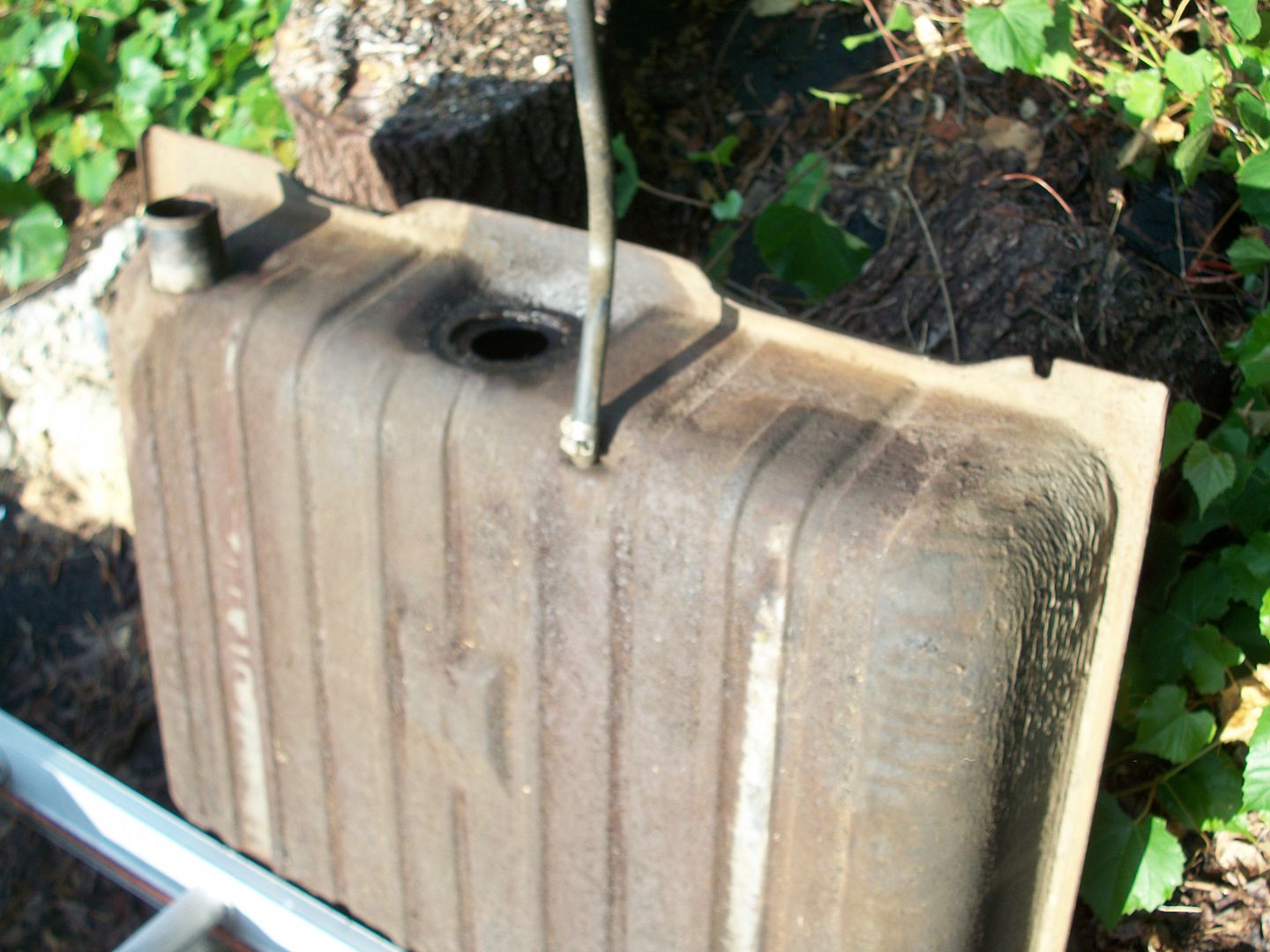
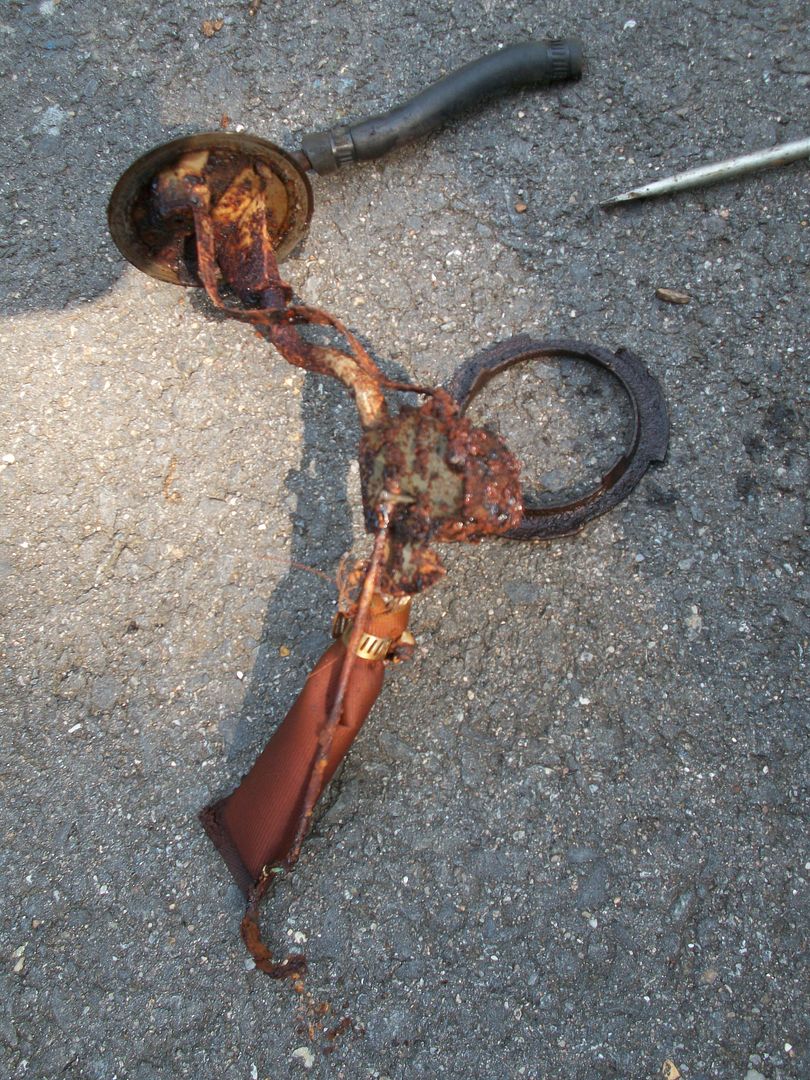
The tank already removed - doesn't look too bad from this angle.  The outside has some surface rust but I don't see any holes in it.  Inside, however, there's rust clinging to the tank and a lot of crunchy pieces floating around.  The small amount of old gas will be taken to the county dump where you can drop off old fuel to be disposed of properly.


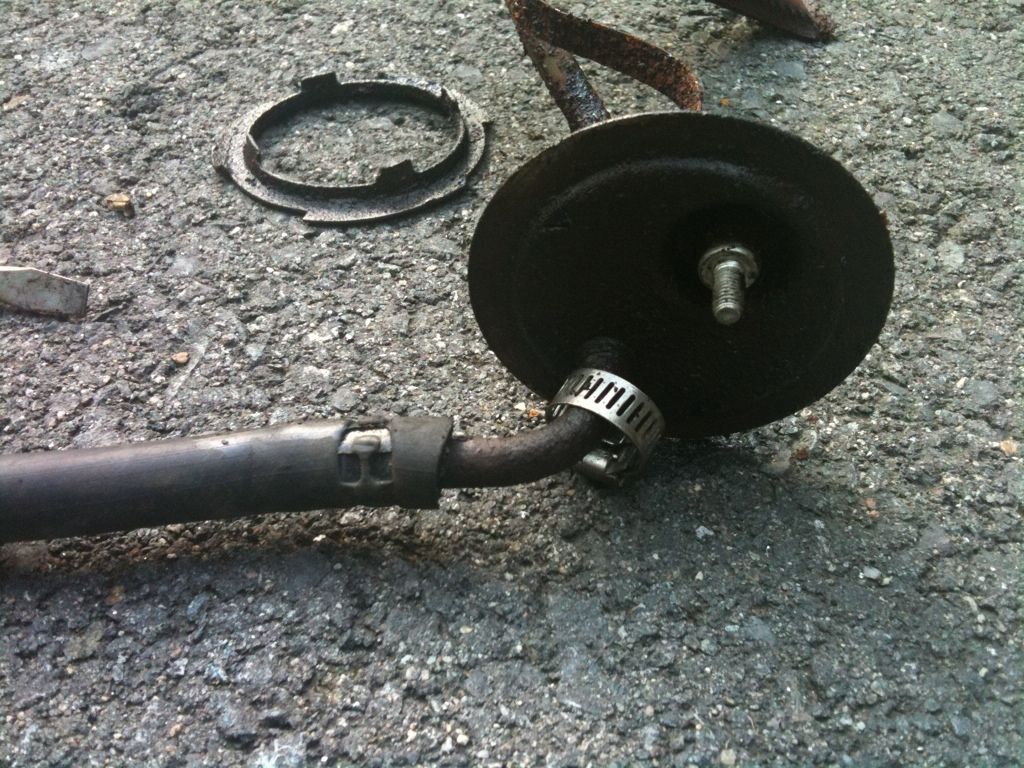
End of sending unit has a metal prong that connects to a wire which sends an electric signal to the dash fuel gauge.  This also is where a rubber fuel hose connects the metal fuel line between the tank in back and the mechanical fuel pump that's attached to the engine and pumps the fuel into the carburetor.


This sending unit shows that rust was pretty pervasive inside the tank.  That thing that looks like a small bag looks to me like it was rigged as a replacement.  There should be something more like an aluminum or brass cylinder in its place.  That cylinder piece floats in the fuel and moves as the amount of fuel in the tank goes down.

 As far as I know, these sending units are unique to the Ranchero and Falcon and Comet wagon, and I don't think they are reproduced, so I will have to send it off to have it rebulit.  The antique car hobby is big enough that there are small businesses that specialize in doing things like rebuilding fuel sending units from various makes of old cars.  So for maybe $75 to $100 I can get this back in functioning, almost like new condition.

That's the end of our gas tank removal lesson.  Now I will return to WAITING PATIENTLY for the new tank.  Once I get that thing installed in the car (fingers crossed) I think I will be ready to take it on some test drives.

Sunday, May 8, 2011

Old cars need fixing

Happy Mothers Day to all you Moms out there.

I've been fooling around with the Comet this weekend, and it's been a bit of a roller coaster, but unfortunately, no ride.


When we last left the Comet, it had gotten a new head and exhaust manifold, and as usual, I had to install that heavy mass of parts three times before I got it right.  Except the car would turn over but made a terrible clanking sound.  Oh crap.  I walked away and pondered what it could be.  And pondered.  For months since it was winter.  Finally figured, if I bent some pushrods I would see by pulling the valve cover.  Pulled it and the pushrods lookd fine.  OK.  Pondered some more.

I have a trickle battery charger on the car to keep the battery charged.  Decided once the weather got nice that I would try again to start it.  Same clanking/grinding noise.  Researched some more, and finally slapped my head - must be the starter!  If it was not engaging or disengaging, it would grind and make that kind of noise.  A starter is a lot easier to replace than an engine.

The old starter came off in about 10 minutes, lots of room under the hood with this six cylinder engine, and the starter mounts high on this engine, so I didn't even have to crawl under the car.  It looked like the starter gears that spin to start the engine had been worn down pretty badly.  I may just be on to the solution, I thought.

Picked up the new starter and installed it.  At first the key wouldn't turn the car over at all. Grumble grumble.  There's a way to leave the key in the ON position and with a thick wire or pair of pliers you can jump the ignition at the solenoid mounted near the battery.  And doggone if it didn't start on the first try and ran nicely.  Woo hoo!  Except there's an ignition problem and I'd rather not have to raise the hood and start the car this way every time.  But I thought, maybe I can get that resolved and be driving this baby soon.

So, I'll spare you the rest of the frustrating details, but after several hours of troubleshooting, I no longer can get the starter to engage even from a new solenoid.  Argh!!!!  More troubleshooting to do, and I HATE messing with a car's wiring system.  So, I'll have to do some more research and try to figure this out.  I know I'll get it, but there may be a lot more wrench throwing that happens first.

Sunday, December 5, 2010

Steering wheel restoration

If you've been hanging around with the Uncle long, you probably remember that I have some old cars I'm slowly (emphasis on slow) restoring.  I previously posted some about my 1963 Mercury Comet station wagon.


This year I managed to get a little work done on it, but not as much as I wanted to - it's still not drivable.  Anyway, even though I forgot to shoot progress photos of this restoration, I thought I'd describe how I restored the steering wheel.

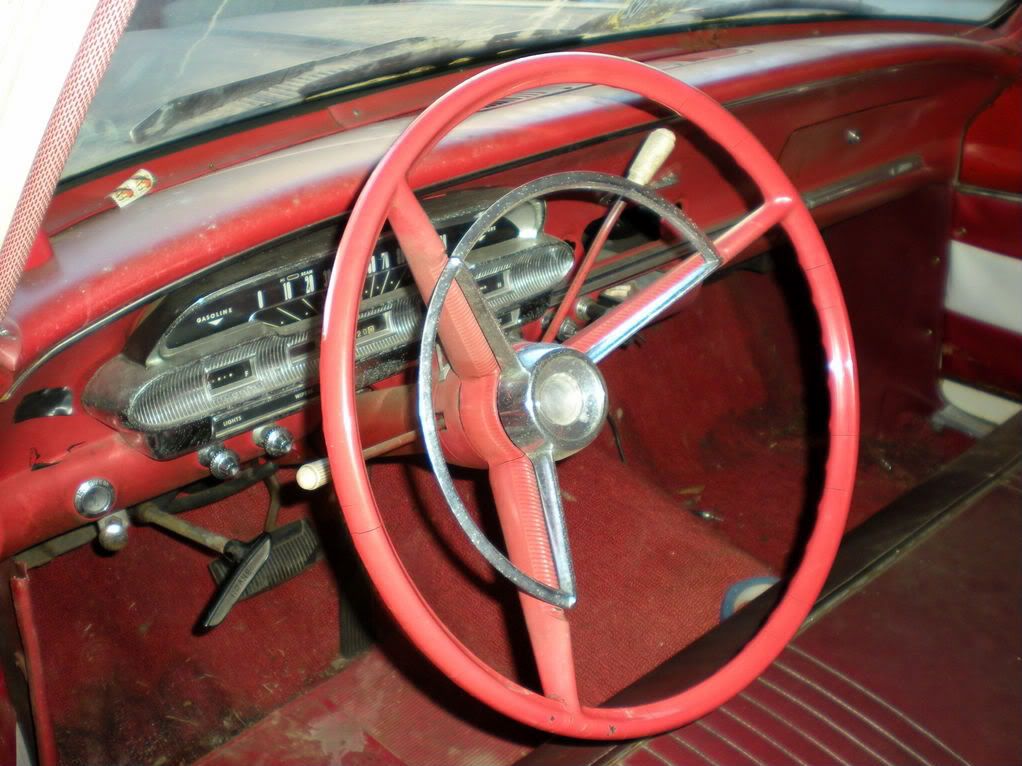
Here's a Before shot - faded, with a lot of little hairline cracks and some bigger cracks.  These wheels were pretty common across the Ford and Mercury car and truck line for 1963 and several years in that era.  If you zoom in on the photo, you can make out some of the cracking on the wheel.  That chrome horn ring will also get replaced by a nice one I found online.

These wheels were usually made of either hard rubber or plastic.  As far as I know, the Comet wheel is some form of plastic. There's at least one kit you can buy to restore an old steering wheel, but I had read of some people who had used a product called JB Weld, a two part epoxy that farmers use a lot.  It hardens well but you can carve and sand it.  So I set out to get the wheel ready and use the JB Weld as filler for the cracks.

I didn't shoot photos of the actual restoration, but here's what I did:
1.  I used a utility knife and a Dremel tool with a grinding tip to cut a V-shape into the cracks, so the epoxy would have something to stick to.
2. I mixed the two-part epoxy and used popsicle sticks to spread it into the cracks.  Wearing disposable latex gloves, I worked the epoxy into the grooves.  Then I let it set up and harden overnight.  I did this in stages, working around the back side of the wheel, then the front side.
3. I used a rounded metal file to knock down the excess epoxy, then used different levels of sandpaper to smooth out the epoxied areas.  The wheel has the ridges on the back that give your fingers a comfortable grip.  Those made it challenging when it came to filing and sanding the excess away, but persistence pays off.  I did a little, and if I got tired, I set it aside and went back to it the next night.  Overall, I probably spent about 20 minutes a night for about two weeks gradually building up and sanding away the filler to get close to an original feel.  I used 80 grit coarse sandpaper to start, then progressed to 200- and 400-grit paper to get things smooth again.  At that point, the wheel looked mighty ugly, a mixture of black, gray, and faded red.
4. Once I had the fine sanding done, I used a standard spray can primer to go over the whole wheel, front and back.  I let that dry well, then I used a standard bright red spray can paint formulated for painting plastic, and gave the wheel several light coats of paint.  I used some very fine (1000 grit) automotive wet sanding paper to go over the whole wheel to knock down any rough spots and smooth out minor paint runs (I always get paint runs, no matter how careful I am!)
5.  At this point, I had a wheel that looked nearly new.  I had found a very nice original chrome horn ring with the Mercury Man center to replace the dull, pitted old ring that was on the wheel.
6.  I could have called it done, but I came across a bright red leather wheel cover kit and decided to give that a try.  The leather part goes over the outside of the wheel, and the inside of the leather has perforated holes.  You use the waxy cord that comes with the leather and you weave it through the holes in the pattern laid out in the instructions.  As long as you continually pull the cord tight as you're weaving, it goes smoothly.  That's another one of those jobs where a third hand would be useful, but overall not too hard.

Anyway, to end my lame photo-less how to post, here's the final product:

Thanks for reading this post, maybe it will help someone else.  I have a few more parts car steering wheels laying around, so I promise if I do this again, I'll shoot more photos!  Part of my reason for posting about the Comet is to get my motivation back to do some more indoor work on it until Spring rolls around.  Then it will be time to replace the gas tank and sending unit and rebuild the carburetor.  If I'm lucky, at that point I'll have it far enough along to drive a little.

Saturday, October 9, 2010

Hershey Pa. antique car road trip

Apologies for the long drought between posts again.  Work has had me on the road a lot this year.  So what do I do when I get a day off work?  Hit the road!

A friend and I spent the day Friday at the annual Antique Automobile Club of America annual fall meet and flea market at Hershey Park.  The weather was beautiful, and there were acres and acres of parts, automobilia, old bicycles, scooters, motorcycles, minibikes, and plenty of miscellaneous too.

You can find a lot of stuff that's not car parts, and if you like to people watch or want to get ideas for dialog for your next feature film or novel, go there!

Here are a few shots I took.


Mercury made this unusual "glass-topped" Sun Valley model in 1954 and 1955.

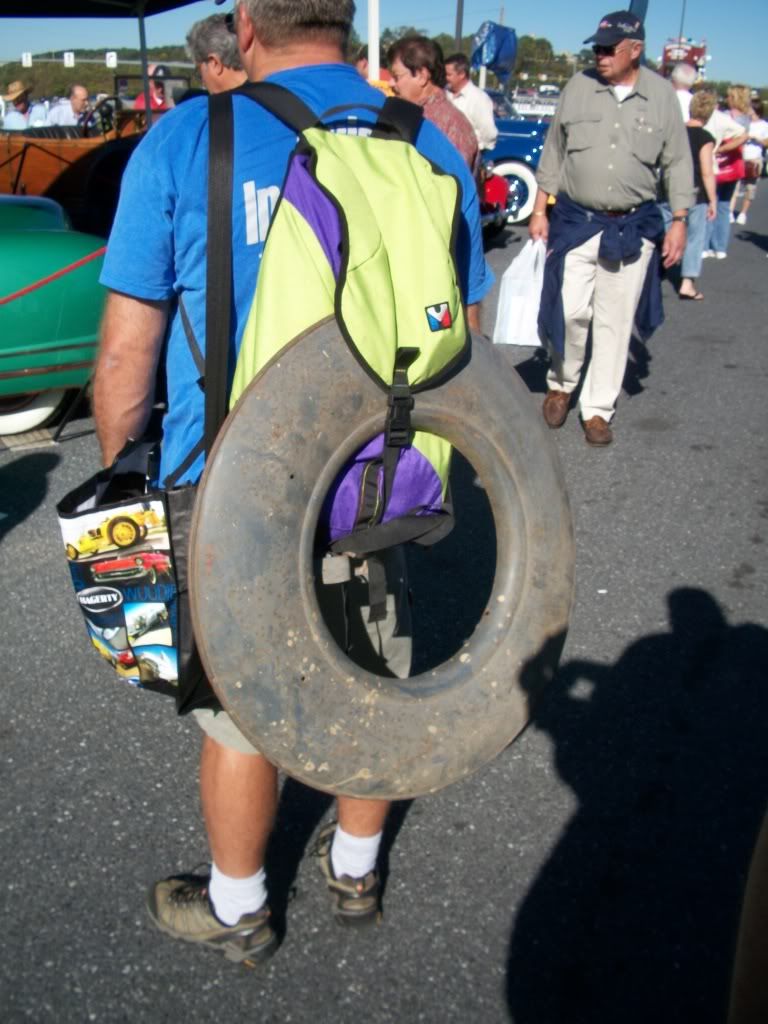
You see people carrying the wildest things.

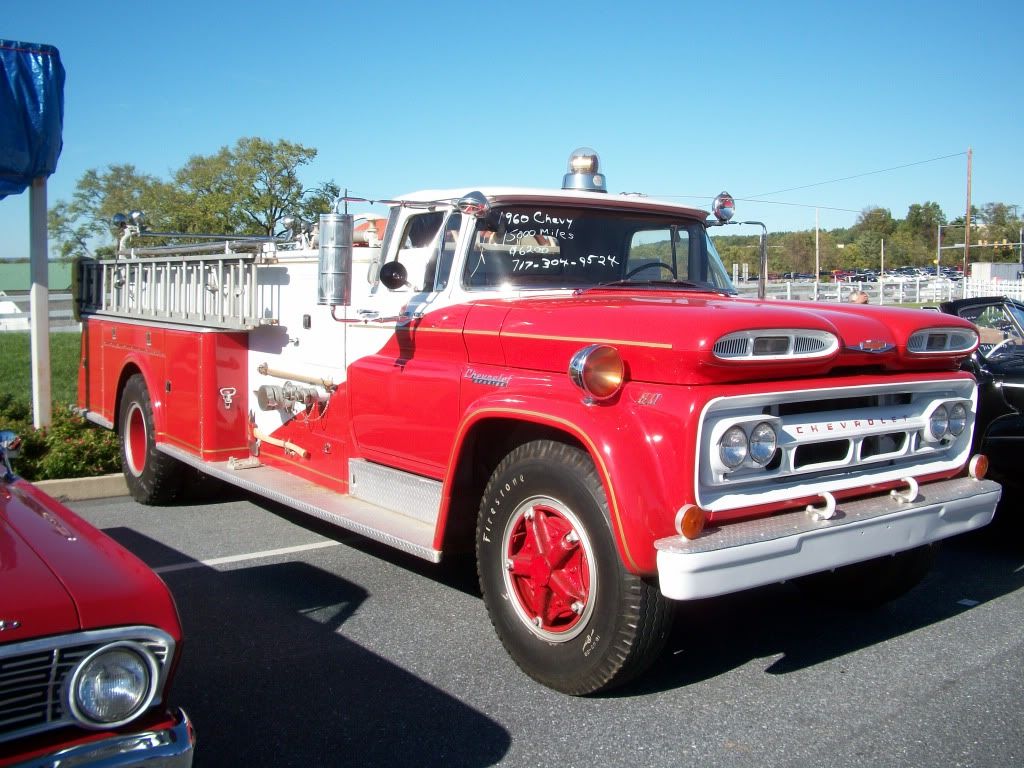
All kinds of wheeled vehicles show up for sale, including this fire truck.

My big expenditure was a trickle battery charger to use on two of my old cars to keep the batteries from dying from lack of use.  There's some twisted logic in spending $100 to keep car batteries from going south before their time, but I get tired of having batteries die on me.  With this thing, I can maintain a very low charge to the batteries between starts.

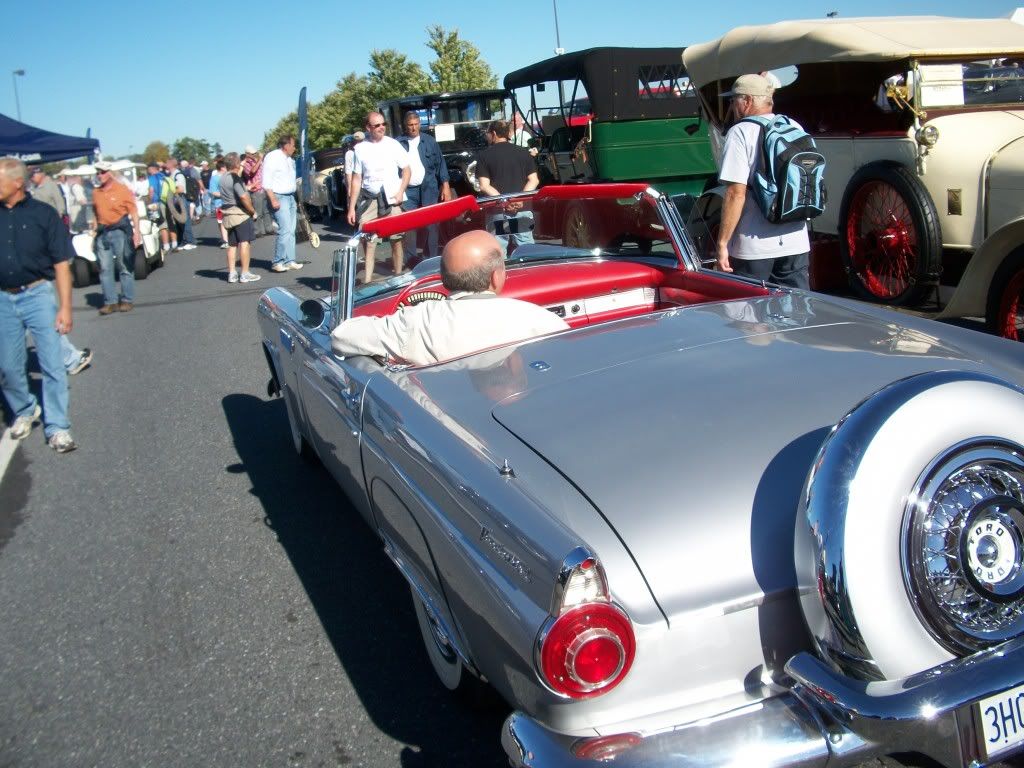
We looked at cars for sale in the "car corral" and there were some real beauties.  My favorites are the 1957 Ford Thunderbirds - the last of the two-seater variety, and only that year had tail fins. (I just realized I didn't shoot any 57s, but here's a nice 56 in the corral).

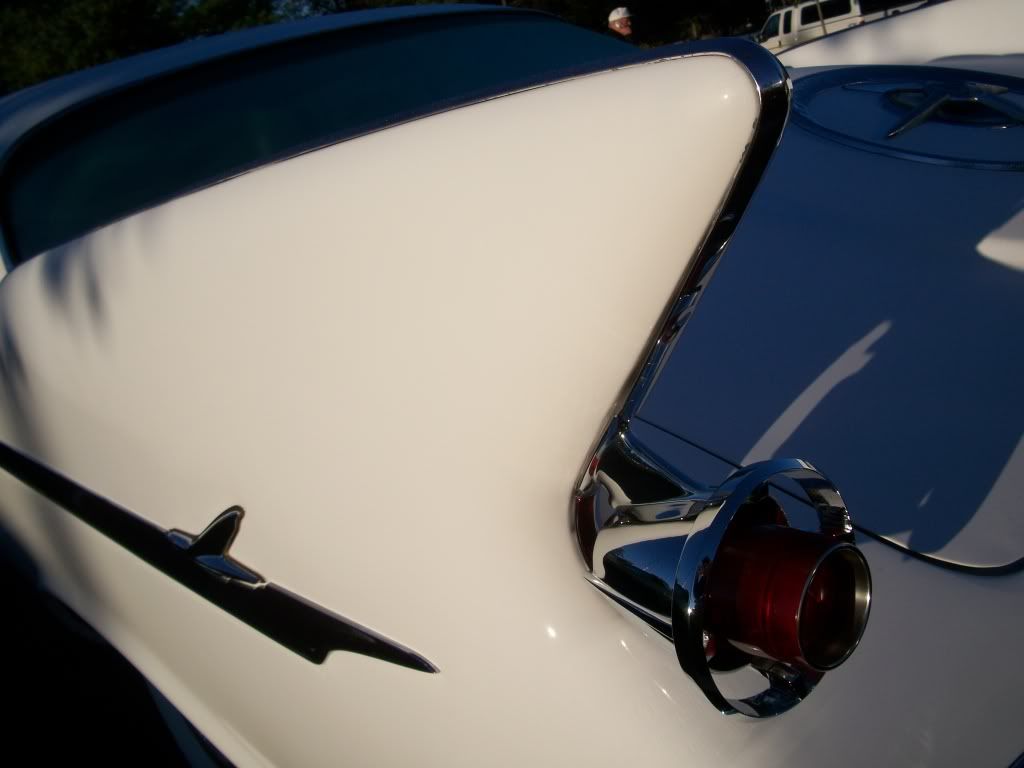
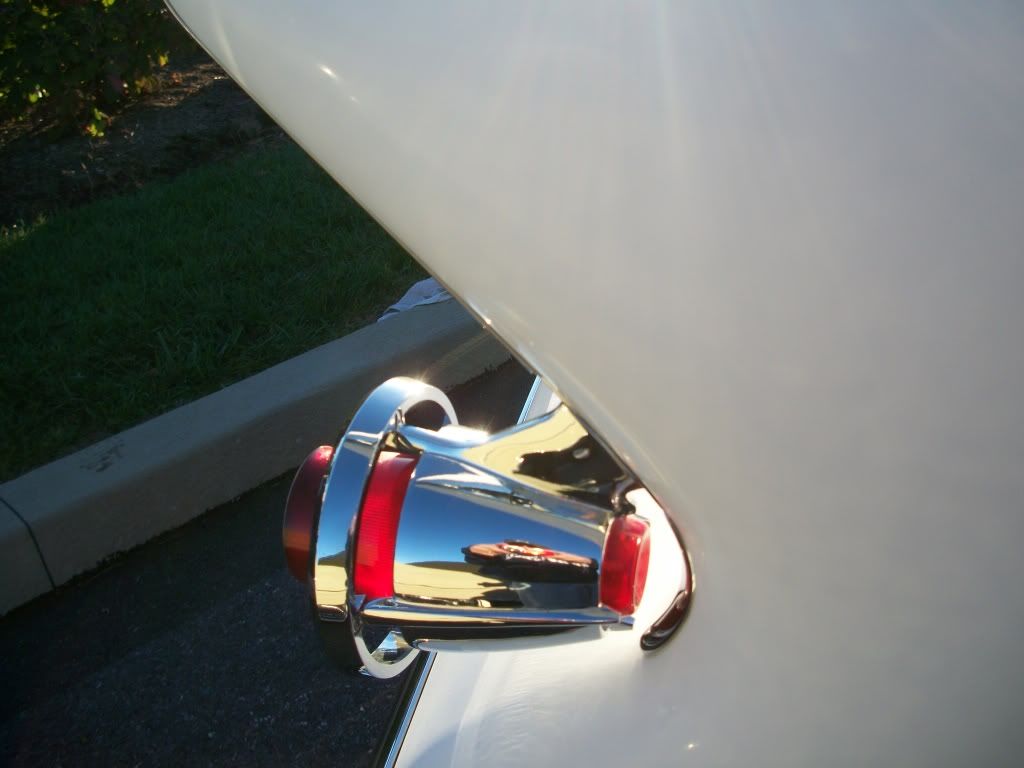
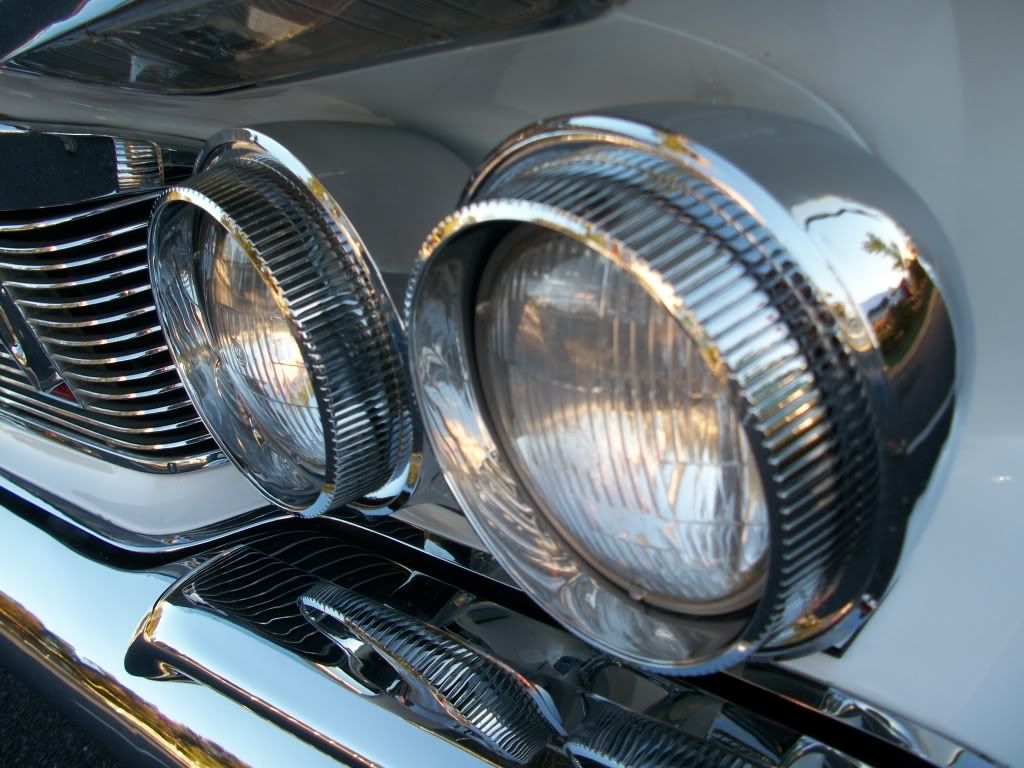
I have a couple shots of the headlights and taillights on an early 60s Chrysler Imperial, which was immaculate. I love the beautiful details on these old cars, and the Imperial was among the most outstanding for detail inside and out.

Notice how these Imperial headlamps are not molded into the front tend but appear to float?  Very cool and unusual.  Sorry I didn't get more photos, but the owner wasn't there and it was too early in the morning to get decent images.

My best find of the day?  Tough call.

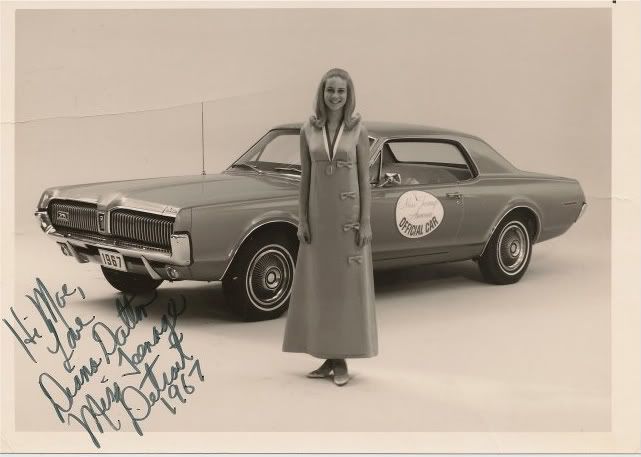
This autographed Miss Teen Detroit photo is cool (check that dress!)

 From what I know, the winner of Miss Teen America in 1967 was given a new Mercury Cougar.

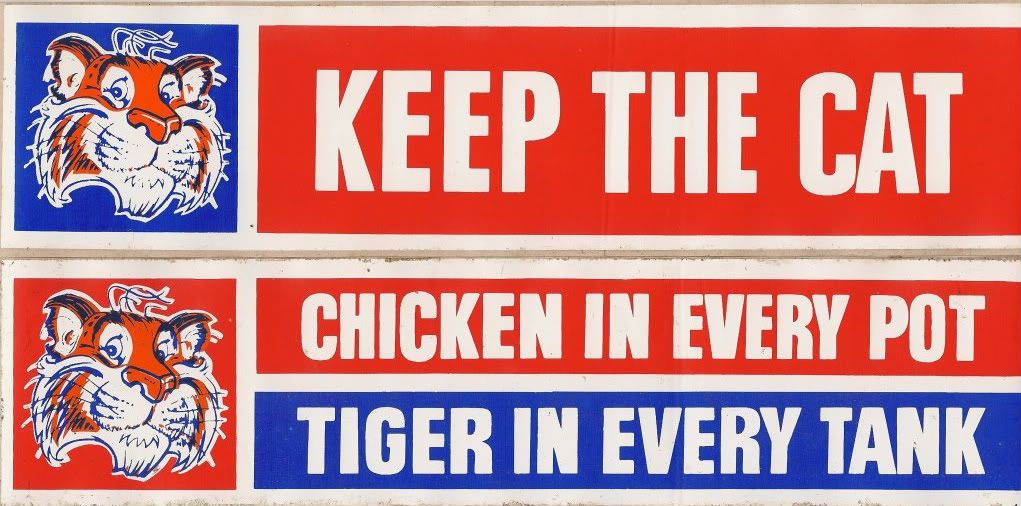
These Esso Tiger bumper stickers must date from either 1968 or 1972 as they look like they were distributed around the time of a presidential election.  I love old decals, and I'll probably use one of these on my 1967 Cougar.


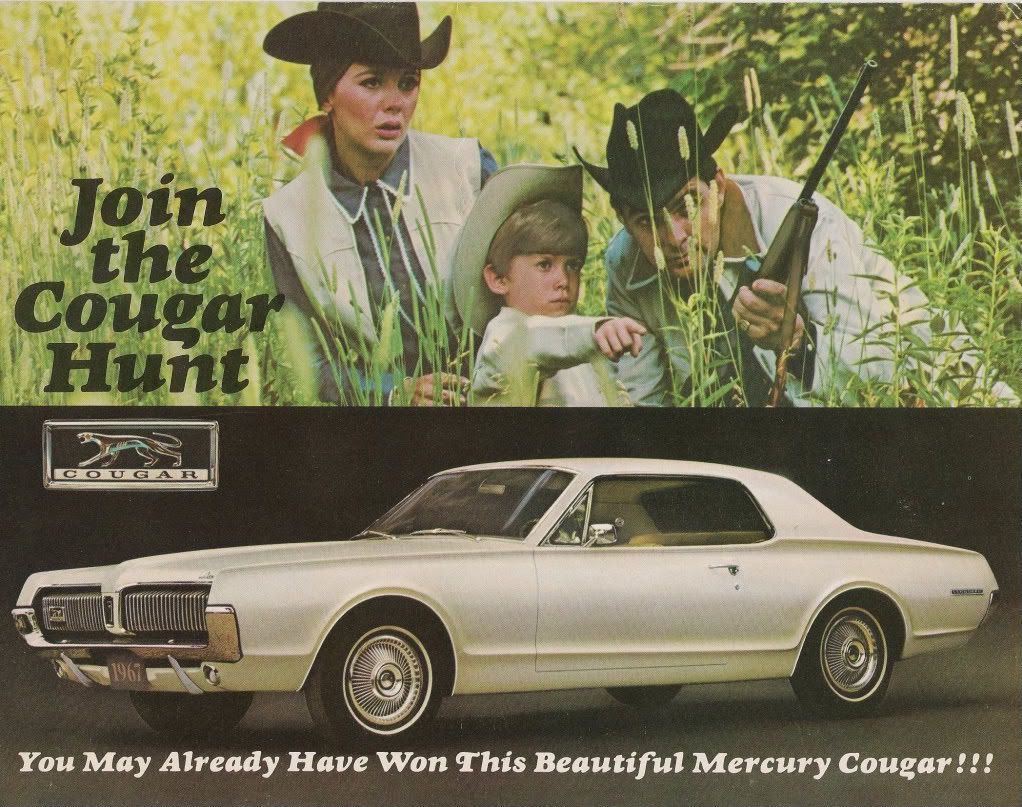
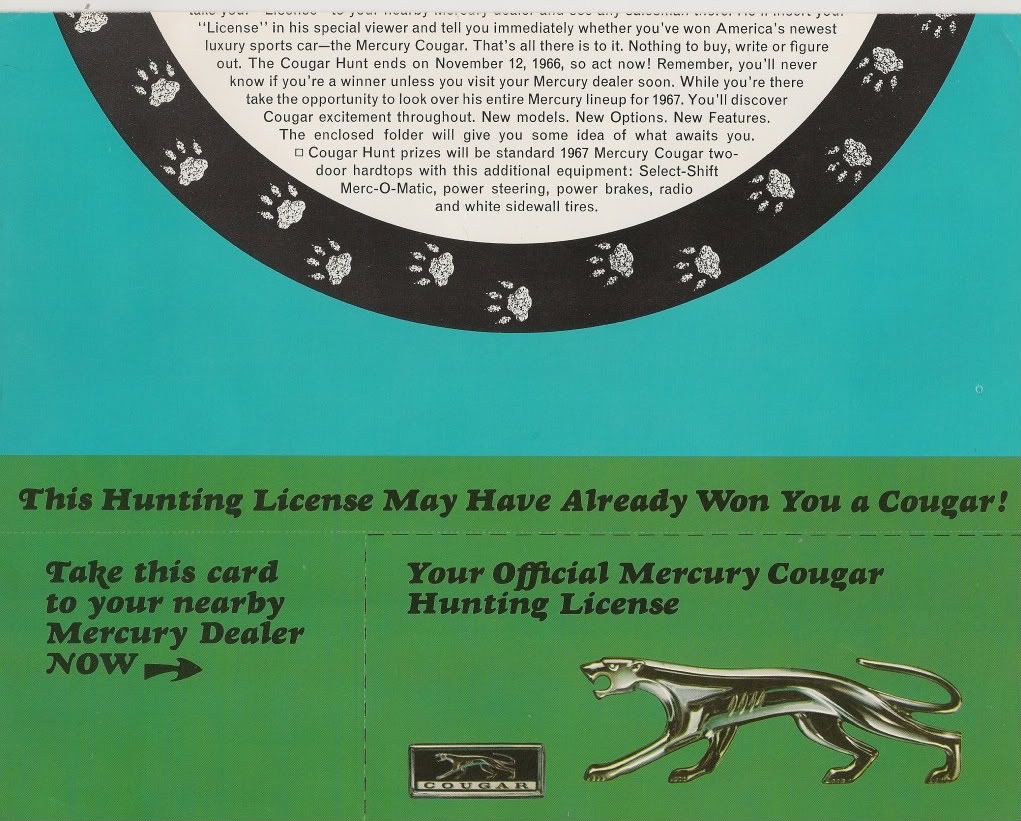
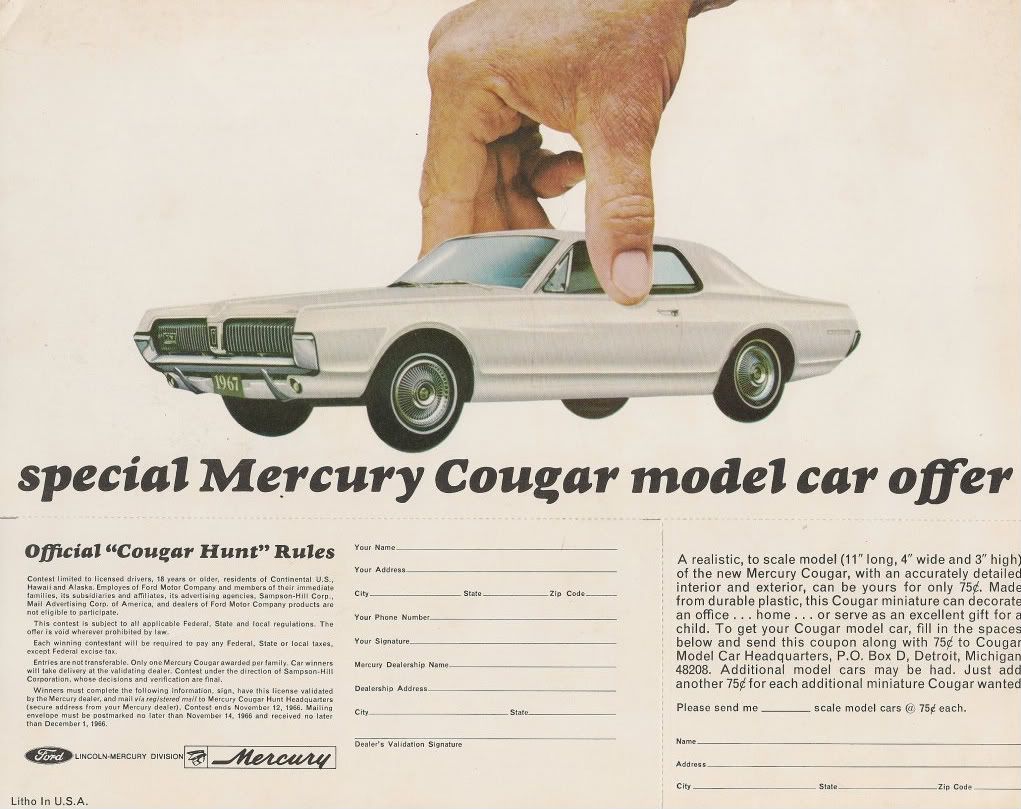
Another Cougar item was this unused contest flier - pretty cool unusual item.


Somewhere around here I have one of the plastic give-away cars shown here.

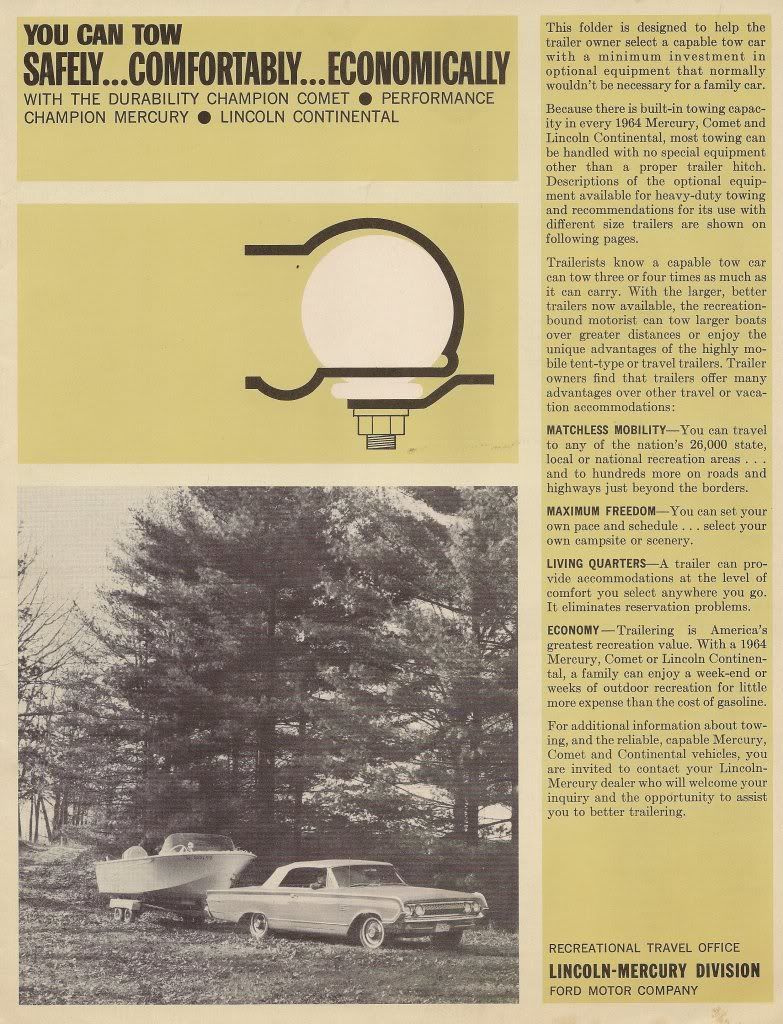
My other great find was this 1964 Mercury towing specifications brochure - it will be helpful when I finally have my 64 Park Lane convertible back on the road, because I want to use that car to tow the Shasta camper.

Here's a selection of photos from the day:

I didn't find it among this collection of auto emblem...

but I did find the Mercury script I was missing for the hood of my 63 Comet wagon with another vendor.

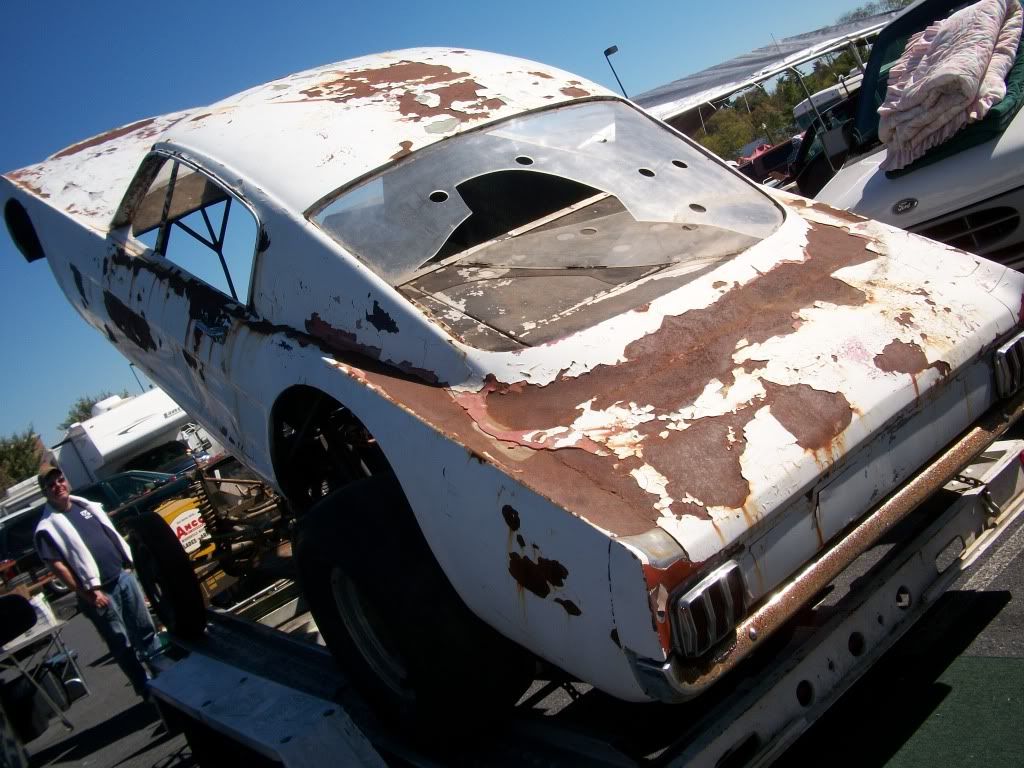
Somebody had welded this Mustang fastback's doors and front end into a single piece and made a funny car out of it.  Very unusual, because funny cars used a lightweight fiberglass version of the body.

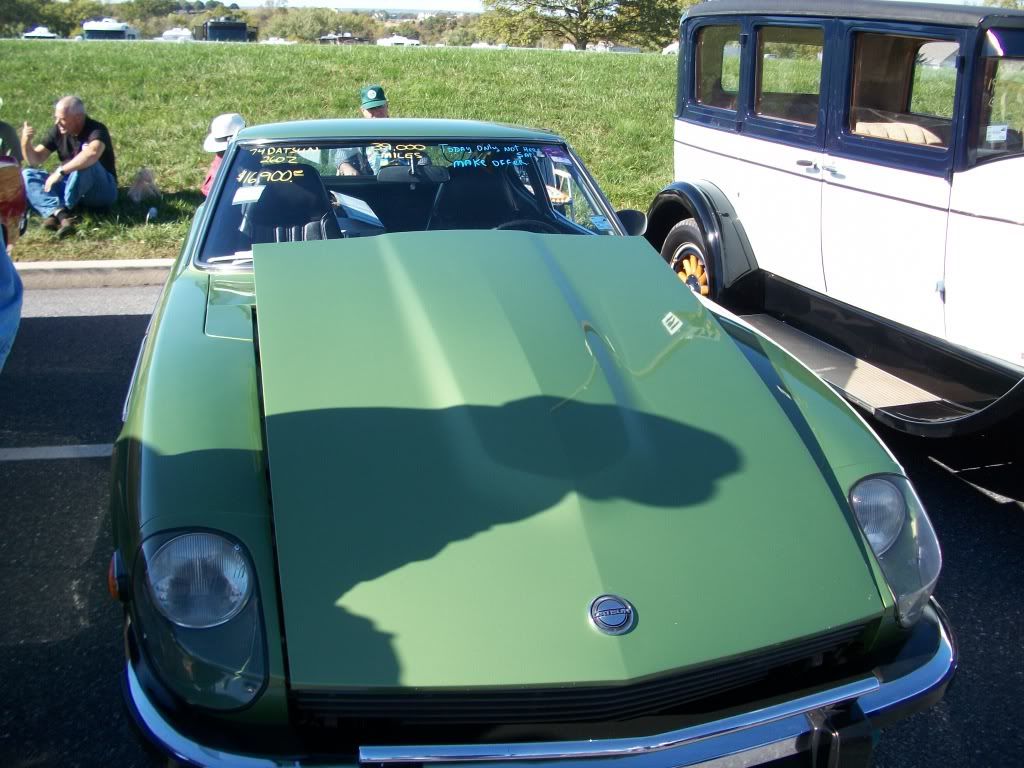
A Datsun 260-Z

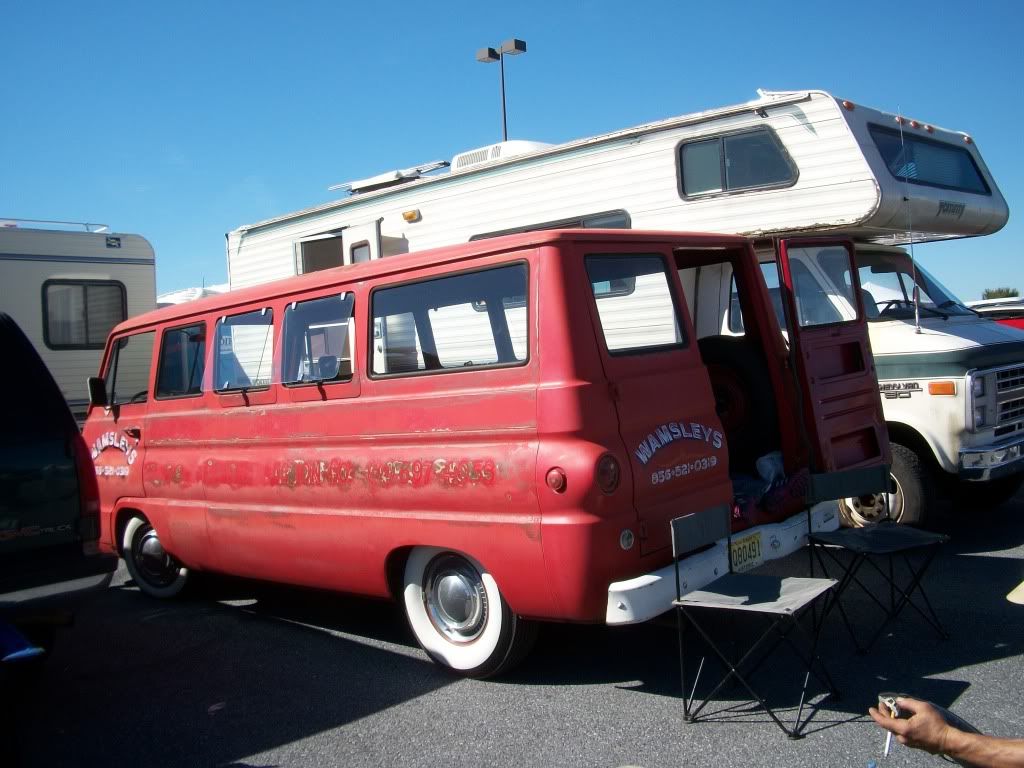
A very cool van owned by one of the vendors


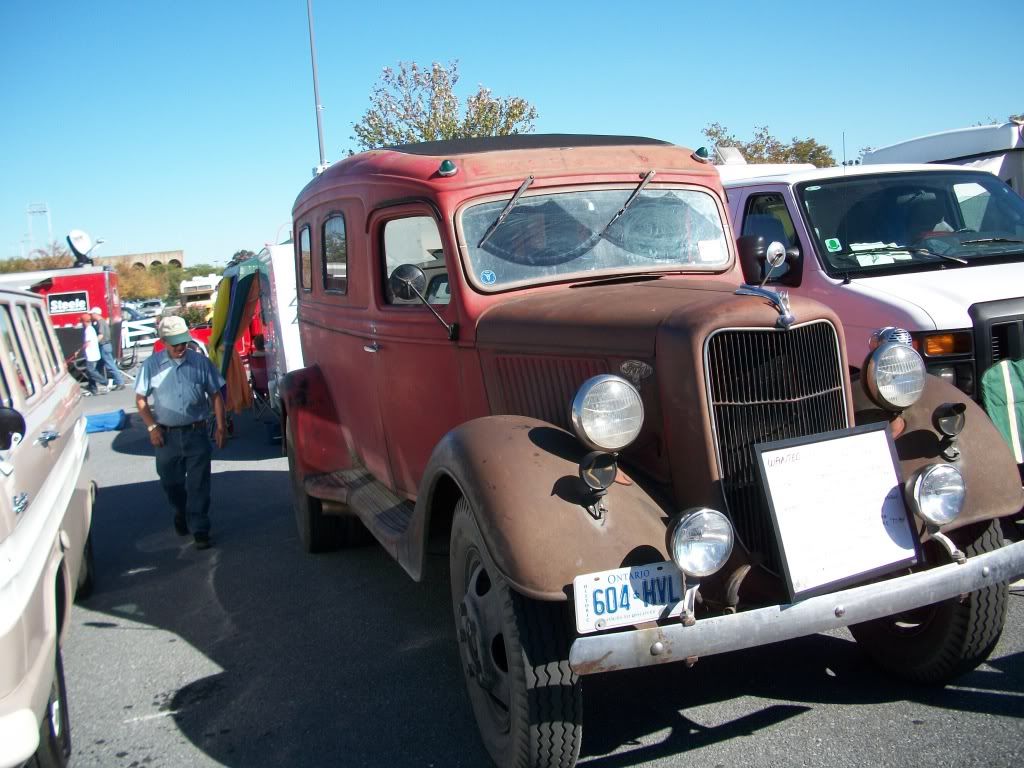
This old van was huge, driven from Quebec!

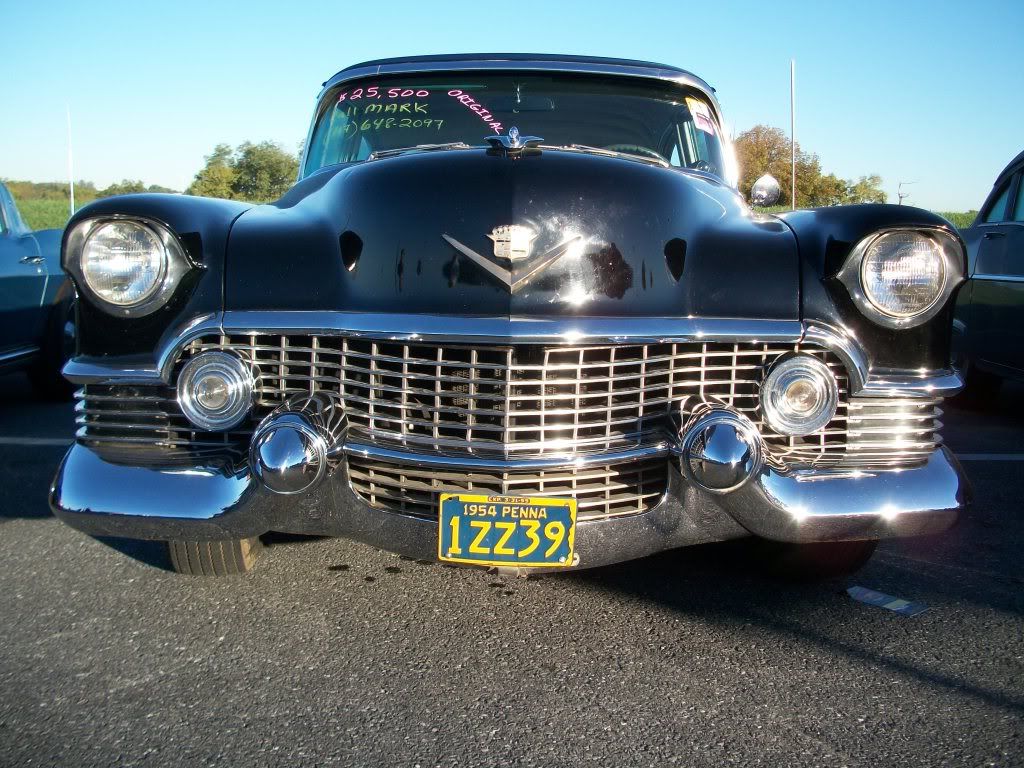
I love the old Caddy's with chrome Dagmar bumpers

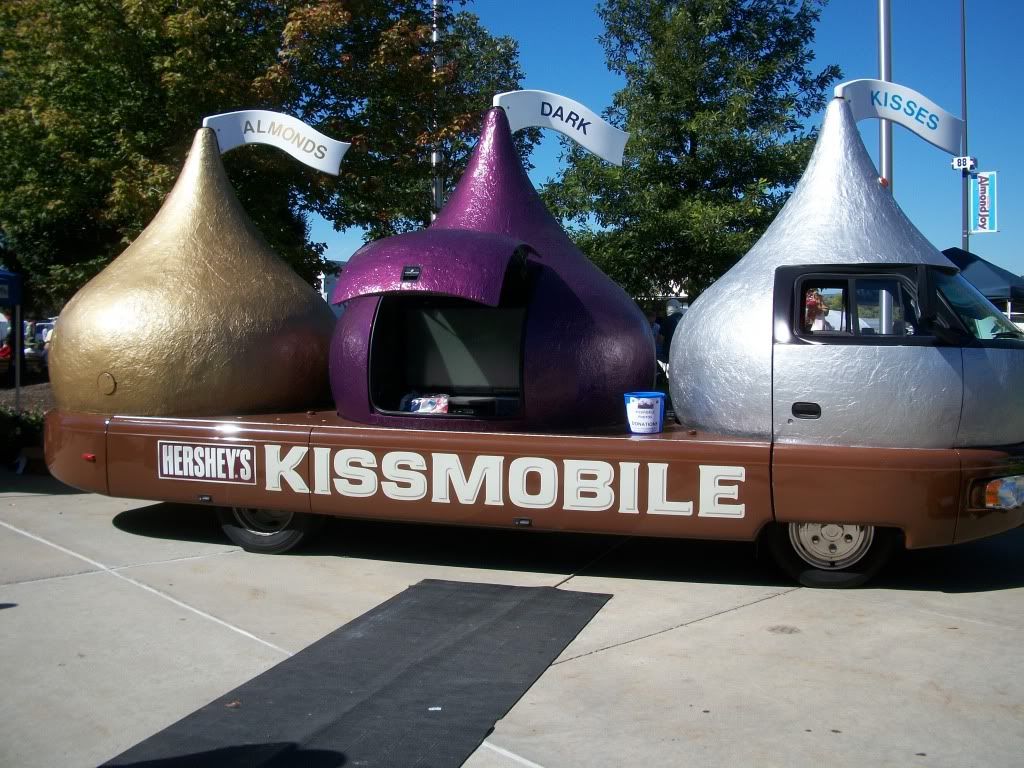
And since it was Hershey, there was the Kissmobile


If you made it this far, the Uncle(?)  sends a kiss your way...


Saturday, May 8, 2010

Old cars in my blood Part 1

I haven't done many posts so far about my love for old cars, but don't let that fool you.  I was anxious to get behind the wheel of an old Ford from a very early age.

Within a couple years I had my first experience in the driver's seat.  Somehow I got away from my Mom one day, got down the steps and out to the car.  Opened the door, got behind the steering wheel and yanked it out of Park.  Couldn't find the darn keys but early 1960s cars didn't have a steering wheel lockout so you could move the shifter into reverse without a key.  I did, and managed to coast it down hill where I took out an old aluminum chaise lounge and smashed the garage door.  I think I was about 3 at that time.


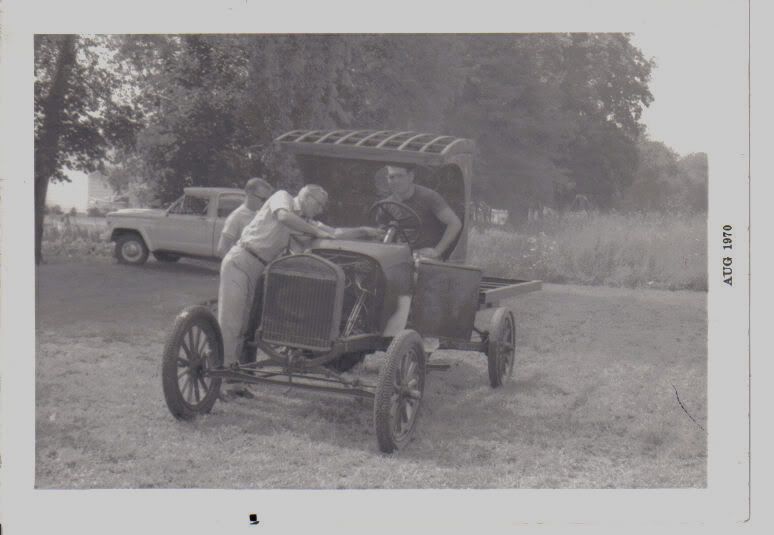
My Dad started restoring Model T Fords by the time I was 9 or 10.  Not long after that he took me on a parts search to the Antique Automobile Club of America (AACA) Fall Meet in Hershey, Pa. aka "Hershey" I was hooked on old cars.  Hershey is probably the Mecca of old car shows and flea markets.  You can wander down the aisles and find pretty much anything for any old car built in the last 120 years, or at least find someone who can help you find that part.

I remember taking a vacation from Pennsylvania to Wyoming and back in our 1974 Jeep pickup to camp, see the sights, and pick up some rust free Model T parts from a seller out west.  My Mom supported my Dad with his hobby, helping where she could and even letting him bring the freshly-painted body of his 1921 Model T touring car into the dining room through the sliding patio door, prop it up on sawhorses, and leave it set up that way for what seemed like a couple months while they reupholstered the body, seats, and installed the convertible top.  All in the dining room!  (Check out that knotty pine paneling by the way!!!)

My brother was big into cars when I was growing up (he was 15 years older than me) and he worked for a few years as an auto body repairman.  When I turned 16, he helped me pick out my first car - a 1970 Mustang convertible, dark metallic green with a white top and green interior.  It had a four-barrel 351 Cleveland engine and a Hurst 4-speed manual transmission.  I loved that car.  This is the only photo I have of it.

When the second gasoline crisis hit in 1978 and gas prices skyrocketed to about 75 cents a gallon, it got a lot more expensive for my fast food income, and eventually I parked the Mustang and took up driving a 1963 four-door Dodge Dart with a slant six engine and push-button automatic transmission.  Beige.  Ugly.  But it ran great and was a fun, simple car to own.  One winter I had it at my fraternity house and the alternator was going bad, so to keep it drivable I would plug in a battery charger and plug it in through a basement window.  I could get two or maybe three starts a day if I was lucky, but I didn't have to buy a battery.

After I graduated college Mom and Dad gave me their black 1977 Chrysler Cordoba.  (The only shot I have of that car is from my high school junior prom.  Like my wild and crazy grey tux?  Wish I still had that....much hair.)

No, the Cordoba didn't have fine corinthian leather, it had a gold velour interior. 400 cubic inch engine.  In-dash 8 track tape player and quadraphonic sound, great for cranking up the Doors or Led Zepplin. I drove it from Pa. to Arizona where I had my first real job.  It made it as far as Albuquerque before the catalytic converter crapped out.  I had a new one put in and it served me well in Phoenix for a year and a half before I sold it.  But I learned the hard way why no one in their right mind drives a black car in Phoenix.  You needed an oven mitt to open the door in the summer time!

I didn't get another old car until I was living here in the DC area in the early 1990s.  I had been looking for something cheap that would be fun to fix and drive. One Saturday I found an ad in the Post for a 1961 Mercury Comet for $600. The ad stated that it didn't run, but was in good shape and had only 5,300 original miles.  I hurried over to look at it and got the full story.  Grandma car, everyone was afraid to drive it after she got to old to drive, but they couldn't sell it until after she passed away.  I looked over the inside and there was almost no wear on the brake and clutch pedals, so I figured the mileage claim was probably true.  Heck, why would anyone lie about it to sell the car for only $600?

I got some help from my Dad when he was visiting us and we re-did the brakes, had the gas tank cleaned and sealed, rebuilt the carburetor and installed a new fuel pump and gave it new plugs, wires, and a tuneup.

After I got it back on the road, it wasn't long before I found a car I had to have, a Mercury Cougar version of that first Mustang I had sold years earlier.  The 1970 Cougar XR7 convertible had the same  351C 4v engine and Hurst four-speed manual transmission.  (It turned out that both cars were very rare - less than 70 of each were built with the 351c 4v and 4-speed combination in convertible form). There's nothing much more fun than driving a convertible with a manual transmission, shifting up and down with the wind in your face.

When I wanted to buy the Cougar, SWMBO said OK, but the Comet has to go.  I sold the Comet but have regretted it ever since.  I loved the Cougar, and it led me to buying several other Cougars and parts cars.  I'll get into Cougars more in a future post.